16 photographs and 21 videos. Each one is listed with its source, author, and license.
Photographs are stored on this site as WebP files. They come from U.S. government public domain, Wikimedia Commons under CC0, CC BY, or CC BY-SA, or from the creator named below. Videos are YouTube embeds. They load from youtube-nocookie.com only after you press play, and they do not autoplay. Diagrams drawn for the site are not in this list.
37 assets.
Photographs
Photo: USGS and NOAA, public domain
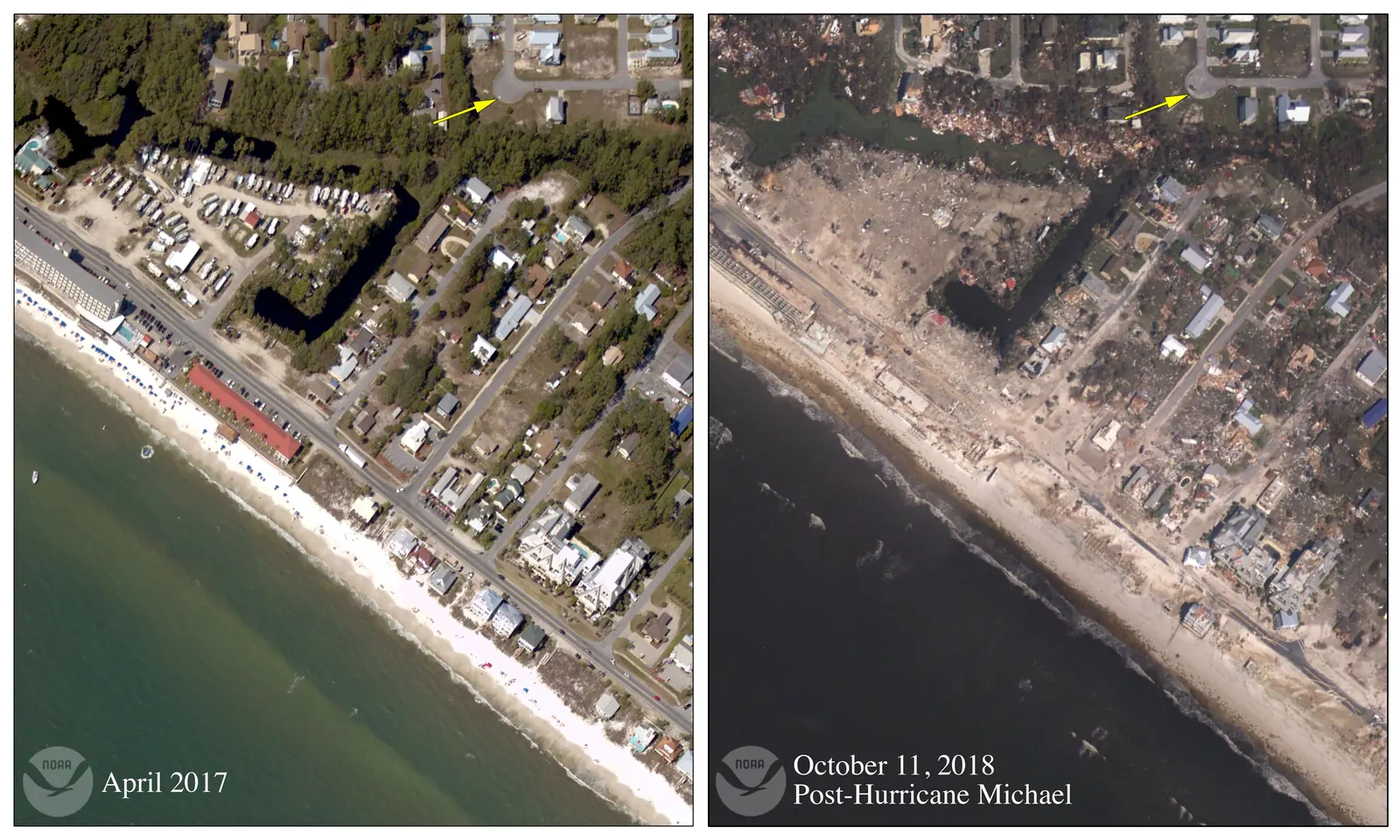
USGS and NOAA: entire buildings were swept off their foundations by Hurricane Michael’s storm surge in Mexico Beach, and sand covered the roadways. The source does not identify the construction of any building that is still standing.
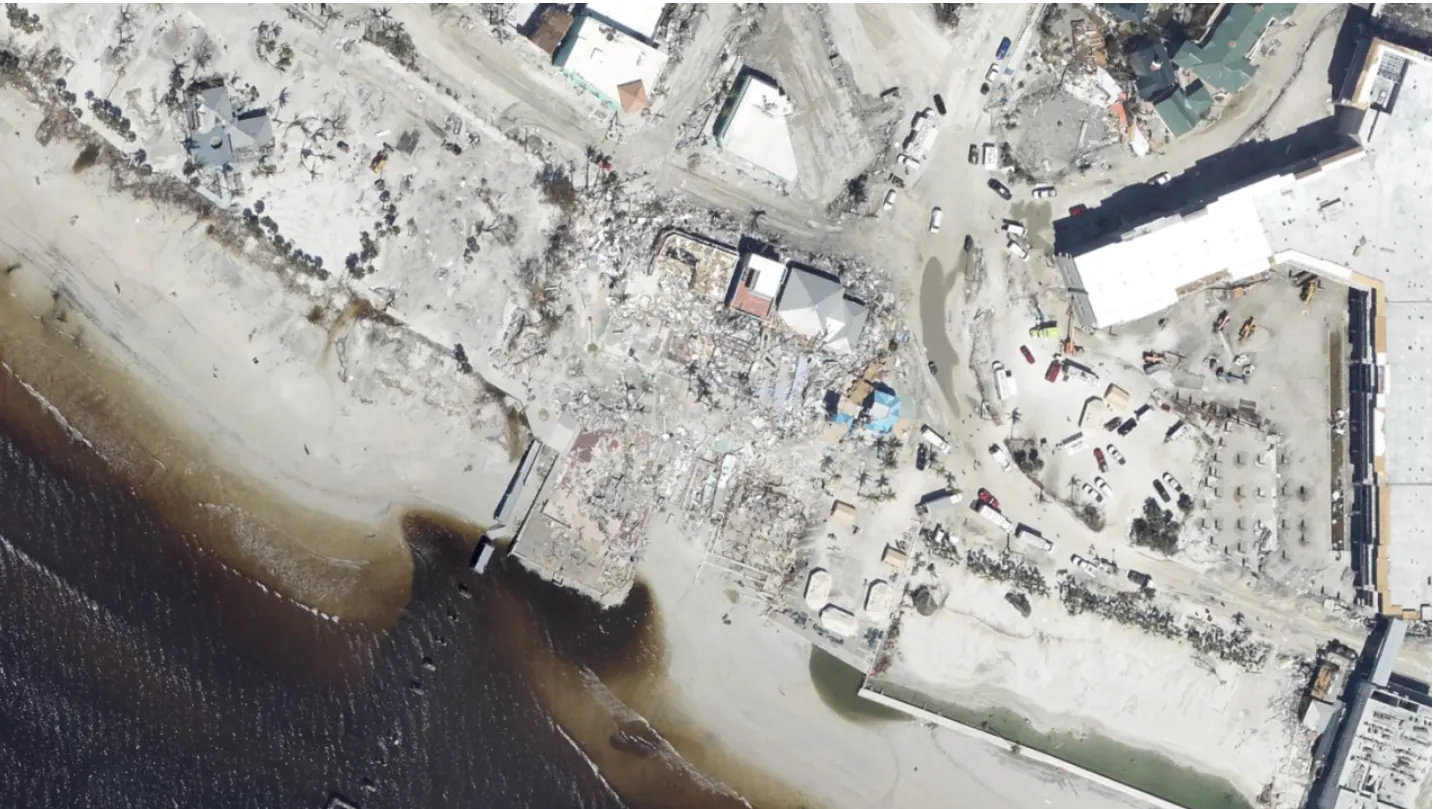
Damage in the Times Square district of Fort Myers Beach, Florida, after Category 4 Hurricane Ian. The NOAA caption does not identify how any remaining building was built.
Photo: Greg Thompson / U.S. Fish and Wildlife Service, public domain
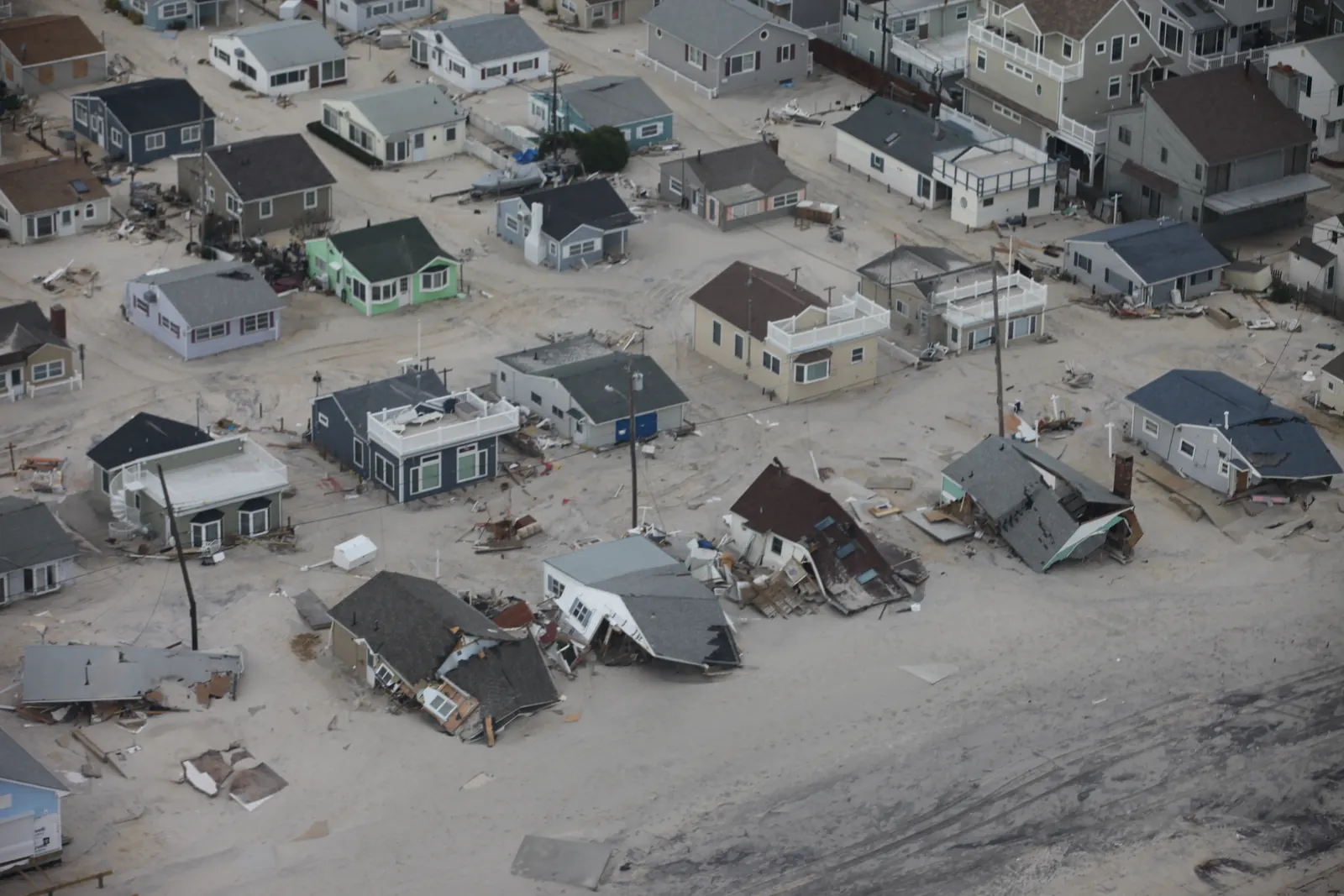
Damaged homes along the New Jersey shore after Hurricane Sandy. The U.S. Fish and Wildlife Service caption does not say how any of the houses was built.
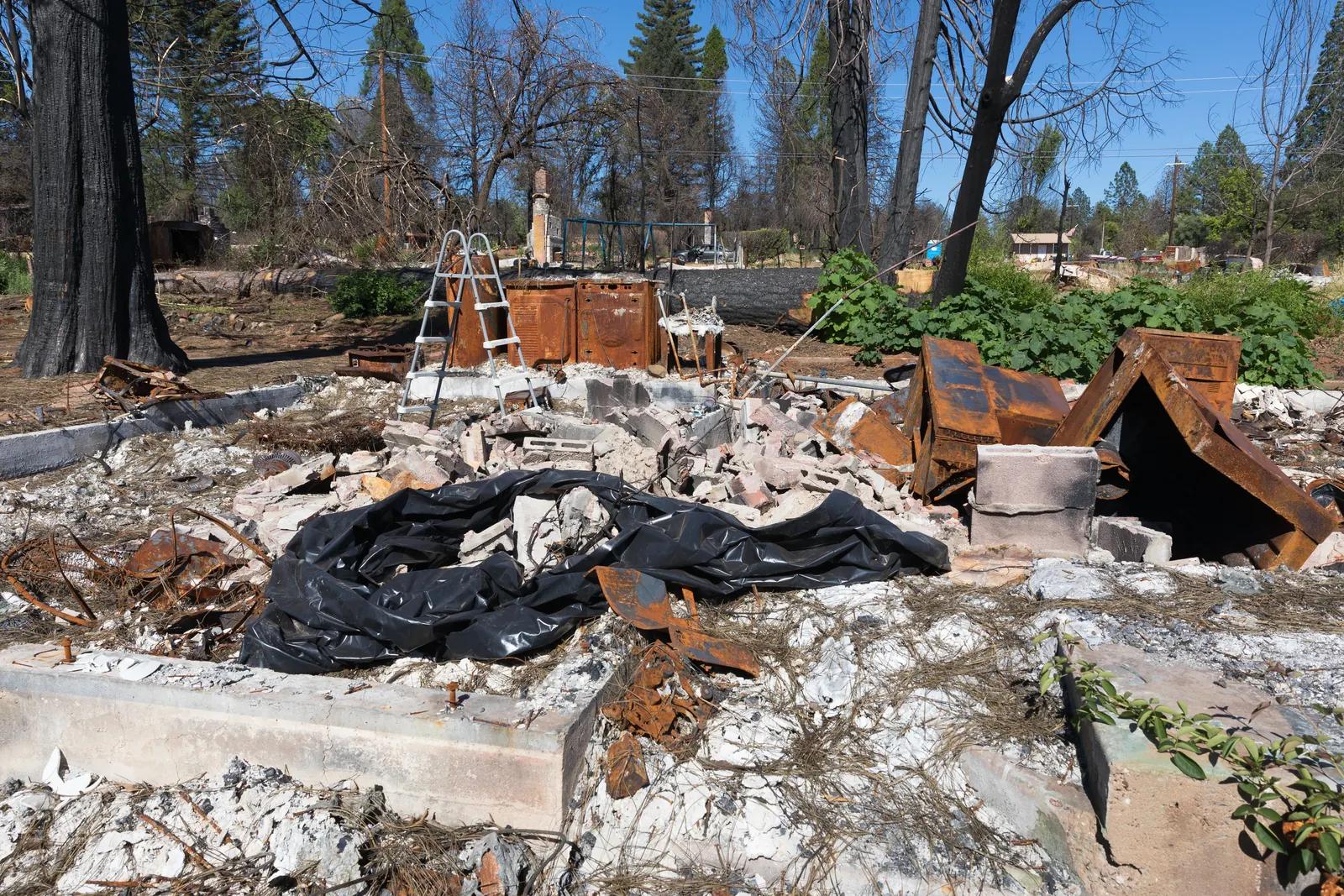
Frank Schulenburg: a burnt-down house in Paradise, California, eight months after the Camp Fire (July 2019). The caption does not describe how neighboring buildings were built.
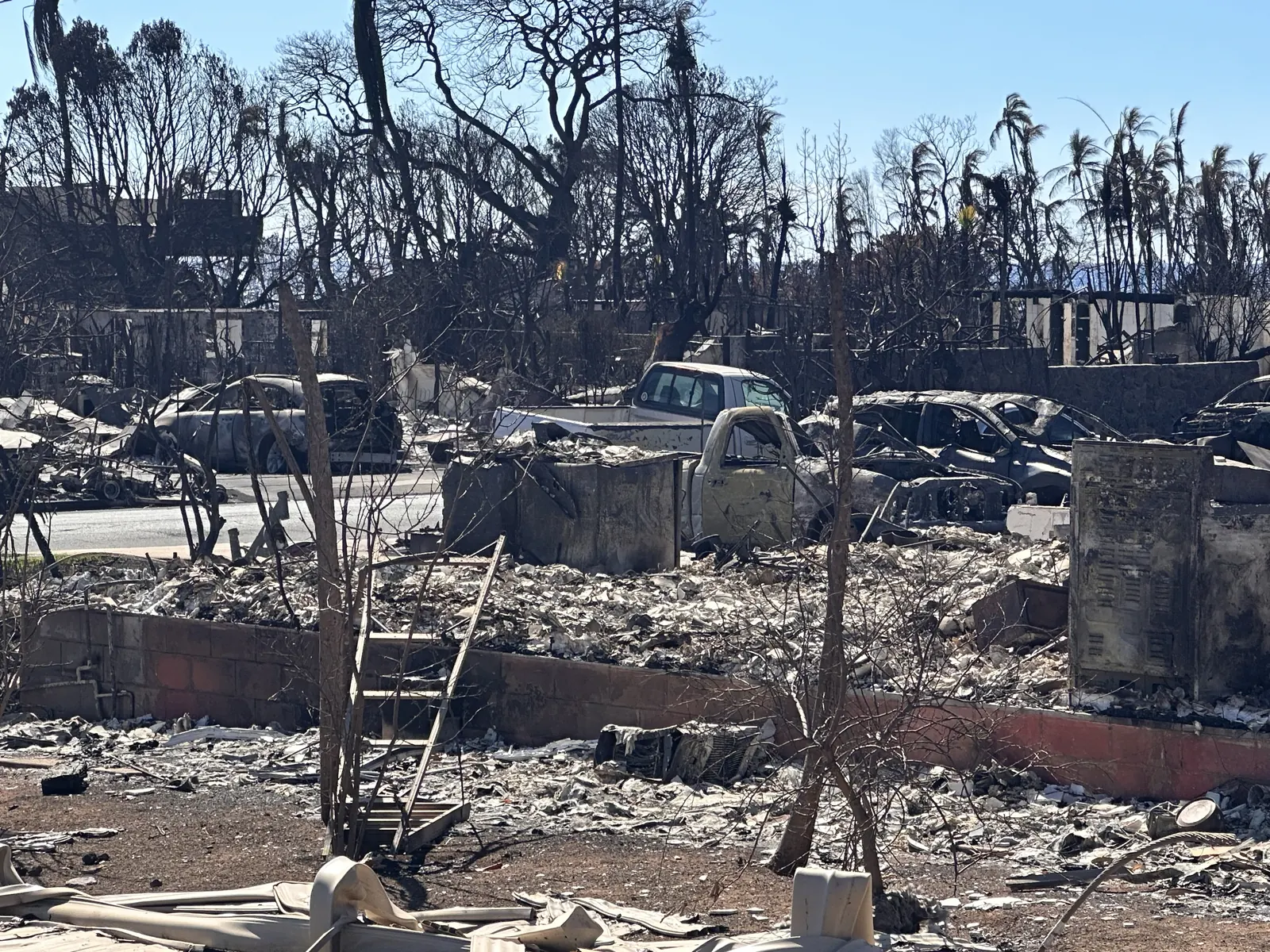
Lahaina after the wildfire. The file is titled burned vehicles, homes, and trees. State Farm’s description says “Burn damaged in Lahaina.” It does not name a construction system.
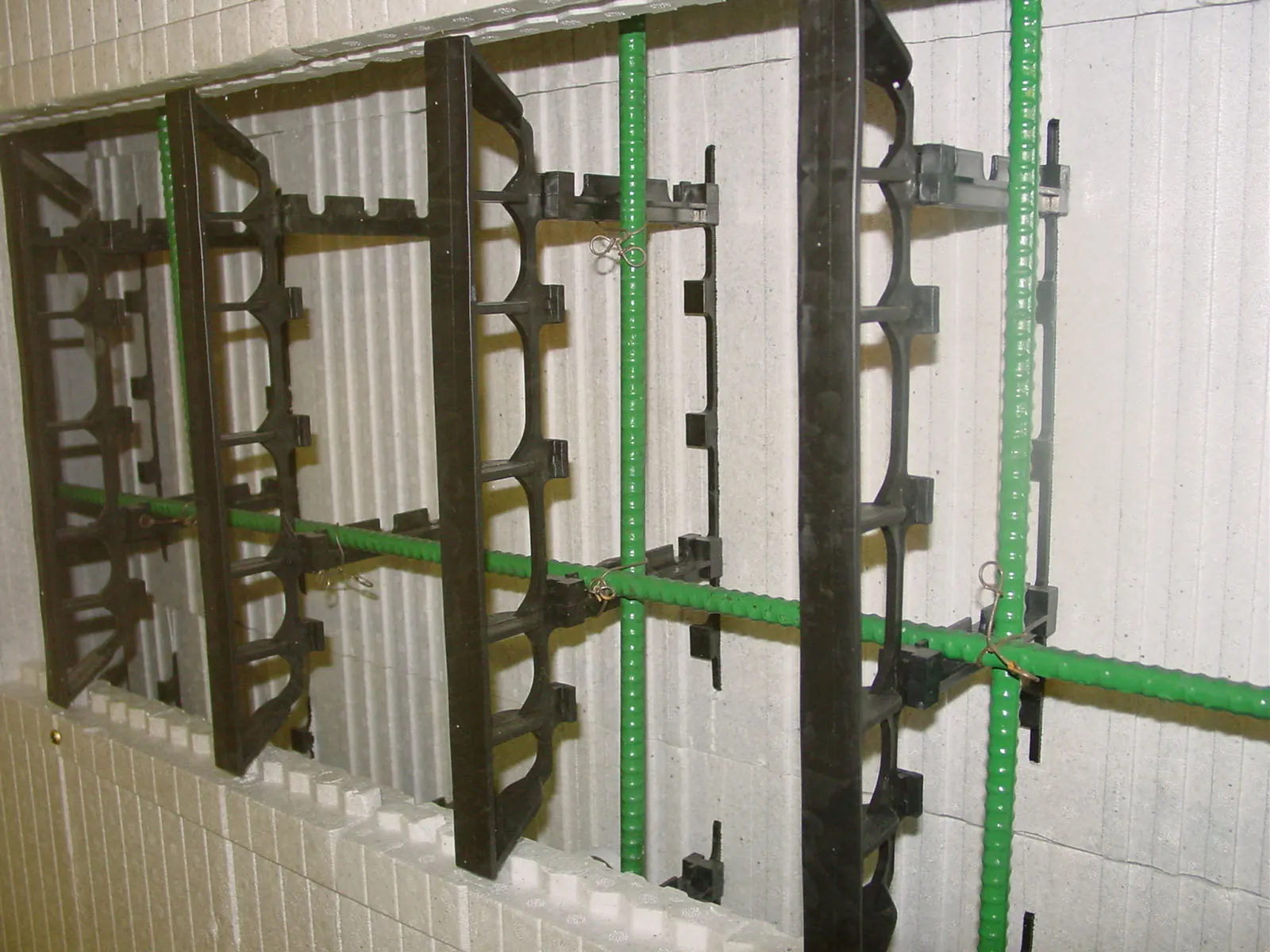
FEMA, Tulsa, Oklahoma, November 23, 2001: a safe-room wall section. The insulated concrete form is cut away to show reinforcing steel. The cavity is filled with concrete.
Photo: MTA Capital Construction Mega Projects, CC BY 2.0
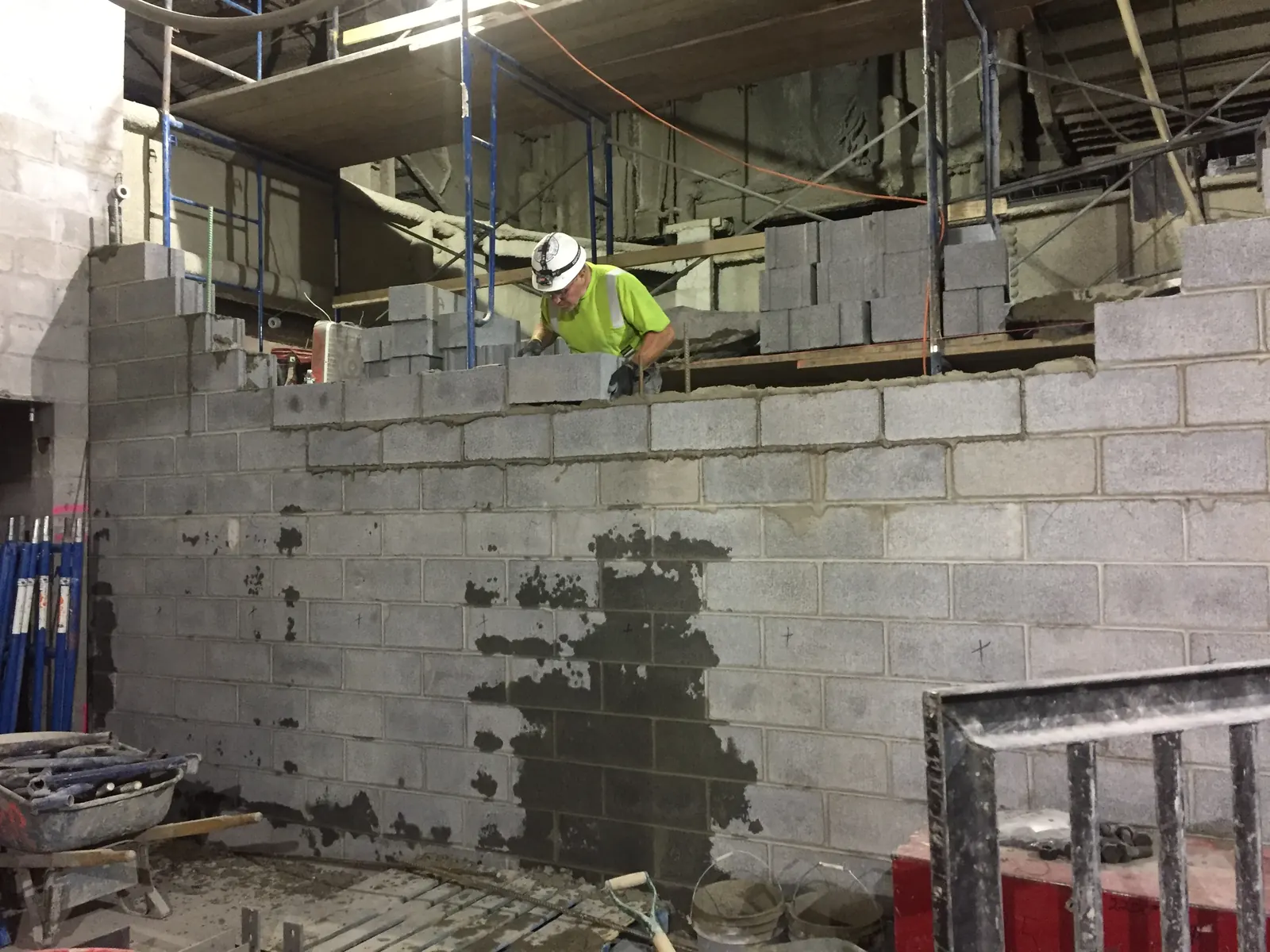
Concrete masonry walls under construction in the back-of-house area of the future Long Island Rail Road concourse, October 9, 2019. This is not a house, and the photo does not show foam in the cells.
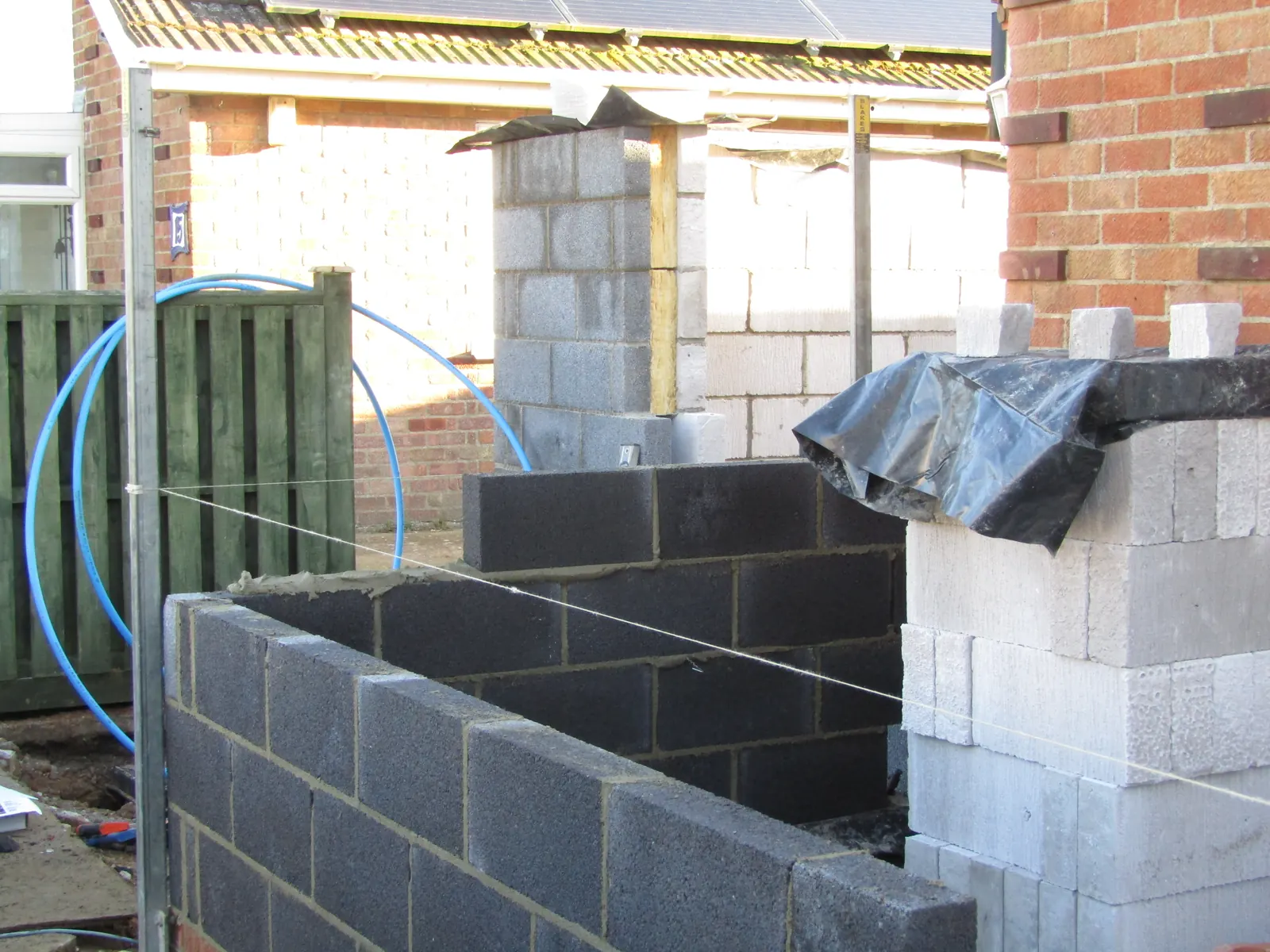
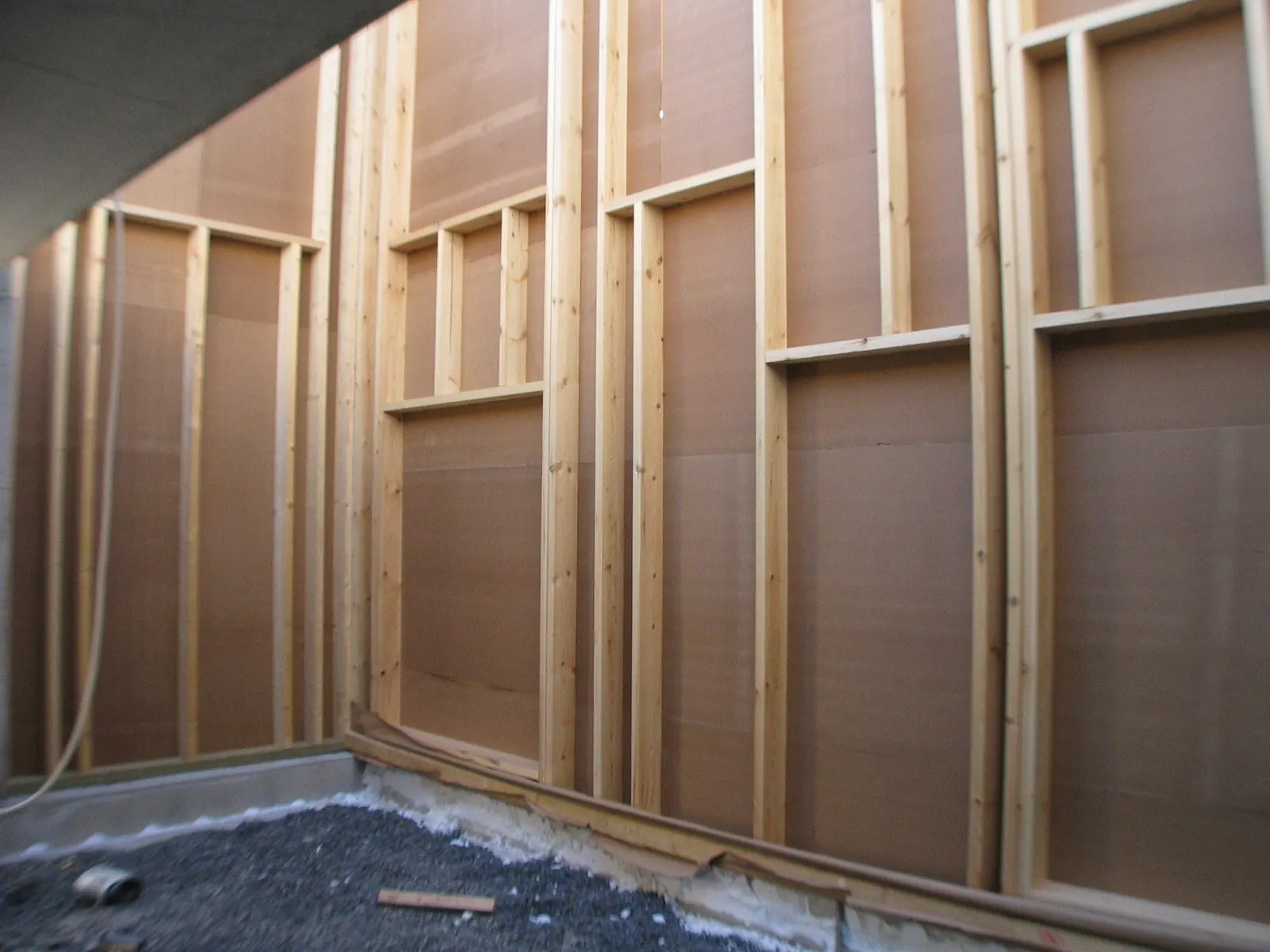
A cavity wall under construction in Trimingham, Norfolk: aerated concrete blocks on the inside and concrete blocks on the outside, as the photographer describes it.
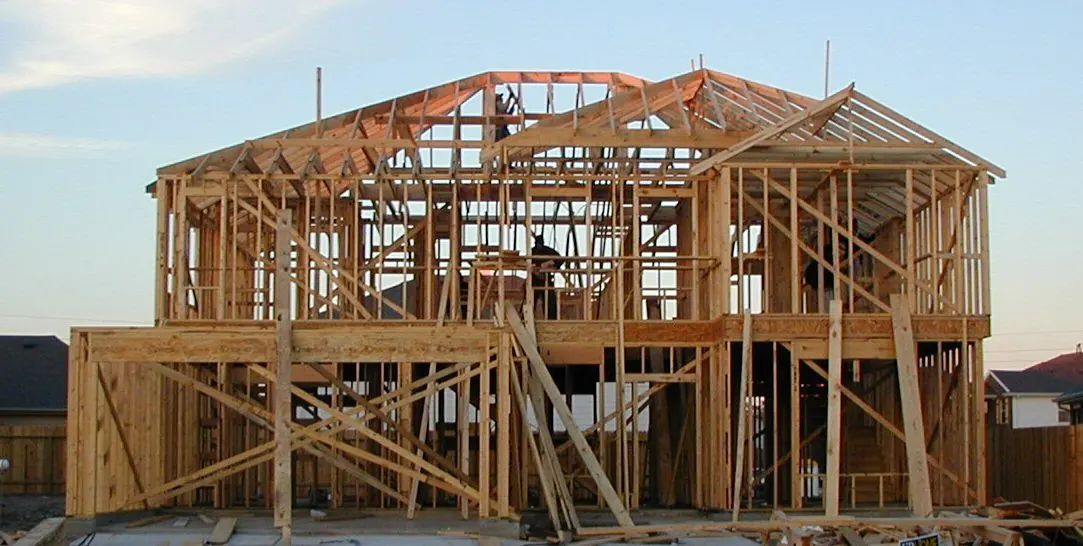
A house under construction in Katy, Texas. The photographer titled the file as a wood-framed house. The source does not call it a FORTIFIED house or any other standard.
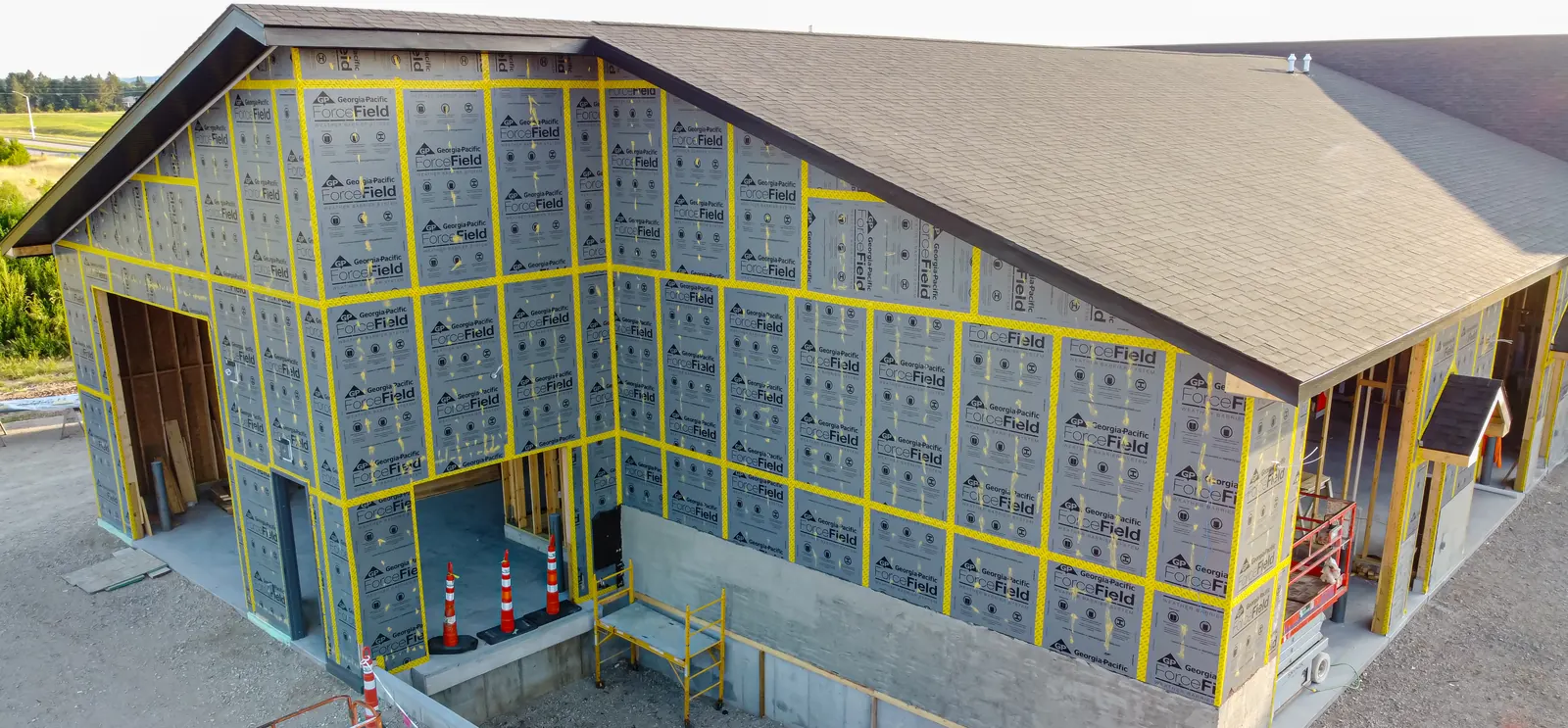
Moisture-barrier sheathing with flashing tape on a wood-frame building, as the photographer describes it. The panel faces are printed Georgia-Pacific ForceField. The source does not say this building meets a FORTIFIED or other standard.
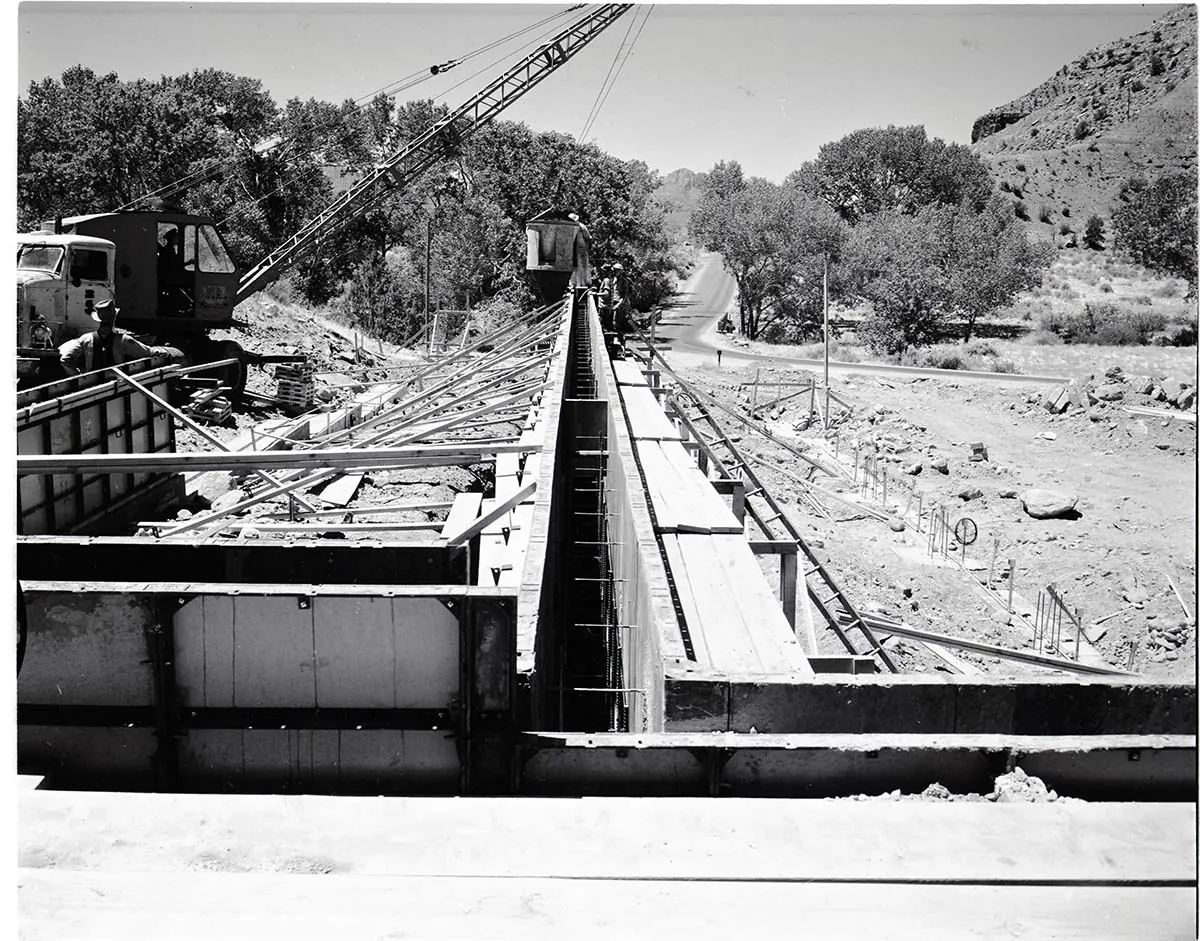
Photo: Carl E. Jepson / National Park Service, public domain
National Park Service: wall forms in place for the east basement wall, with a bucket of cement ready for pouring, at the Mission 66 visitor center and museum. This is not a house.
High Wind Testing: FORTIFIED vs. Common Residential Construction
IBHS. High-wind test of FORTIFIED construction beside common residential construction, in the IBHS chamber. It is a laboratory recording, not footage of a named storm.
Channel
Insurance Institute for Business & Home Safety (IBHS)
License
YouTube embed. Playback only. The file is not downloaded.
Prove sismiche su tavola vibrante di un modello a due piani realizzato con pannelli EMMEDUE®
EdiltecnicoTV. The Italian title is a shake-table test of a two-story model built with Emmedue panels. Trade-channel footage. The clip does not state a peak ground acceleration or a damage result, and it is not a wind test.
Channel
EdiltecnicoTV
License
YouTube embed. Playback only. The file is not downloaded.
Salvador Ivorra (University of Alicante), a co-author of the 2012 Eucentre paper, posted this one-minute clip titled 'Ensayo de edificio sobre mesa sísmica' (test of a building on a seismic table); its description says the building has reinforced-concrete walls. The clip does not say which test it shows. Accelerations and crack notes on this page come from the paper, not from the clip.
Channel
Salvador Ivorra
License
YouTube embed. Playback only. The file is not downloaded.